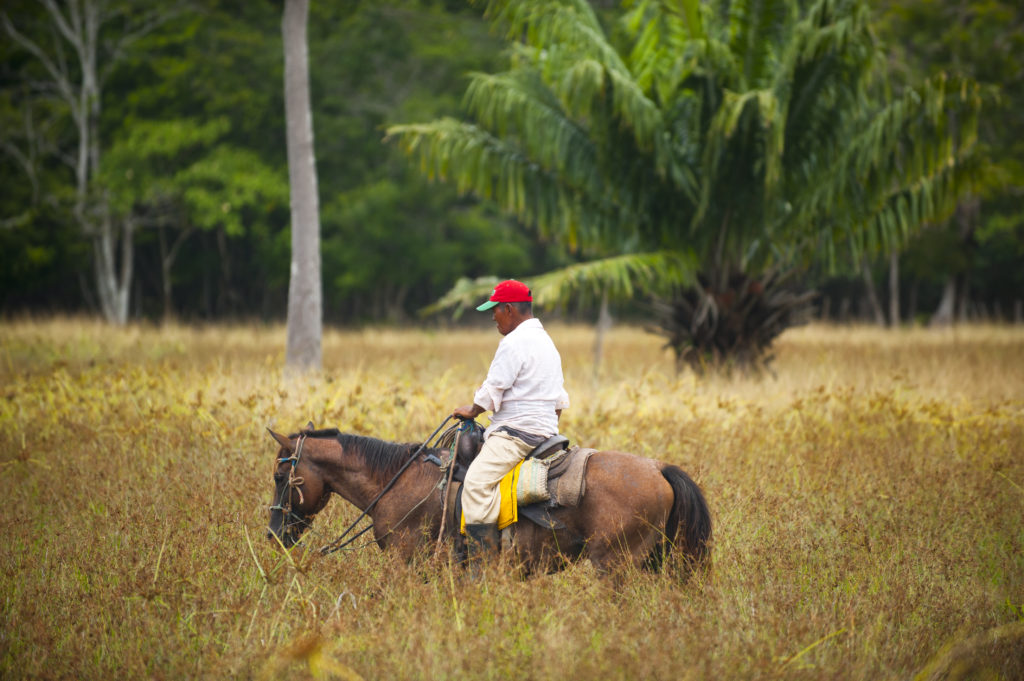
Living in the restless wilderness – freedom, and adventures. Who has not dreamed of it? This is how we often imagine the life of a cowboy. Andres lives and works on a remote farm on the countryside of Chiriqui in Panama. Get an insight into the way of life of a central American cowboy, so-called Vaqueros. It´s a whole different world out there.
The Ranch
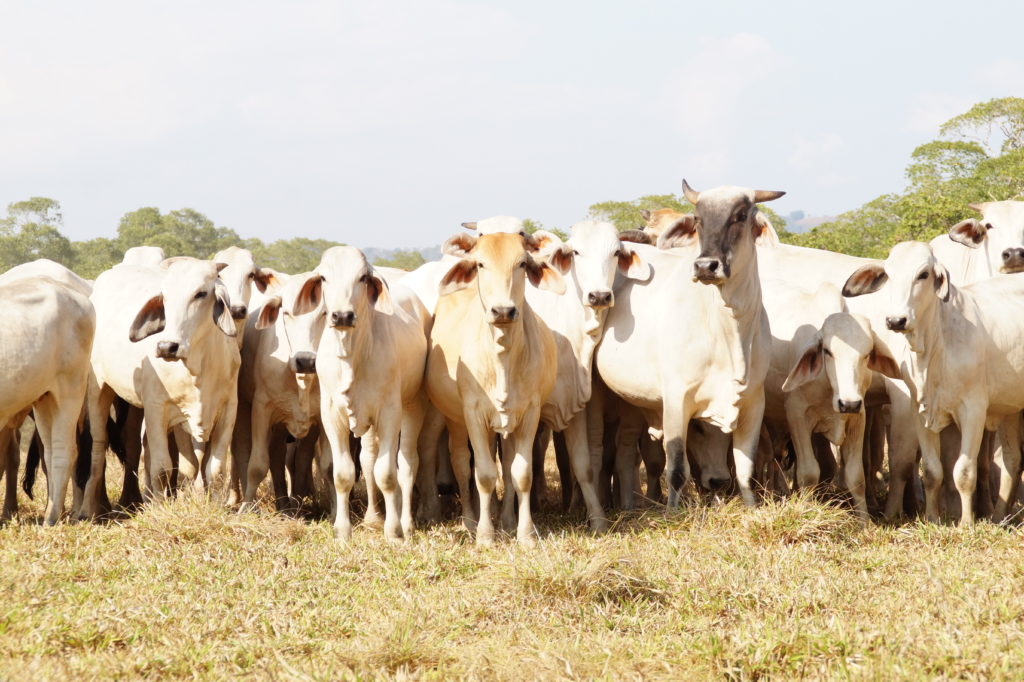
Chiriqui is amongst other things known for cattle-ranching. Some ranches are located pretty rural and off the grid. One of them, a moderate-sized ranch with over 300 brahman zebu cattle, is the workplace of Andres. He works and lives here for over 15 years and has been a vaquero for several decades.
Early bird
The first sunbeams appear over the horizon but they still do not reach into the windows of the sleeping quarters. Various birds already chirp their enchanting morning chorus. Andres, usually the first one awake, gets up leisurely and strolls to the Rancho.
El Rancho
The traditional kitchen is a simple hut, made of posts and a palm leaf roof. A solar panel generates enough power for lights and to charge mobile phones. In one corner of the rancho is an elevated fireplace, protected by corrugated iron sheets. Other features include a rusty closet, a wooden table set, and five hammocks – one for each person.

Relaxed start in the day
All meals are cooked over an open fire, which is quite common on the Panamanian countryside. Andres lights the fire and makes himself comfortable again in the near hammock. Depending on weather and wood quality, it takes up to an hour until the embers burned down to the right condition. Until then, his four colleagues also arrived in the rancho. One of them is Juan, who follows the father’s footsteps (Andres) and strives to become a vaquero one day.
Natural diet
The most important morning routine is to cook plenty of food. It lasts for breakfast and lunch, which basically always consists of rice, beans, and meat.
Unlike us, the only products Andres purchases in a store are rice, oil, and spices. Many different tropical and various vegetables grow in the surrounding nature. The plants thrive partially wild and partly planted.
The main meat sources are chicken, fish and occasionally beef. Everybody breeds chicken in the backyard. An abundance of fish provides the near Pacific Ocean. As cattle and their beef is expensive, seldom an animal is used just for own consumption.
The value of a good horse
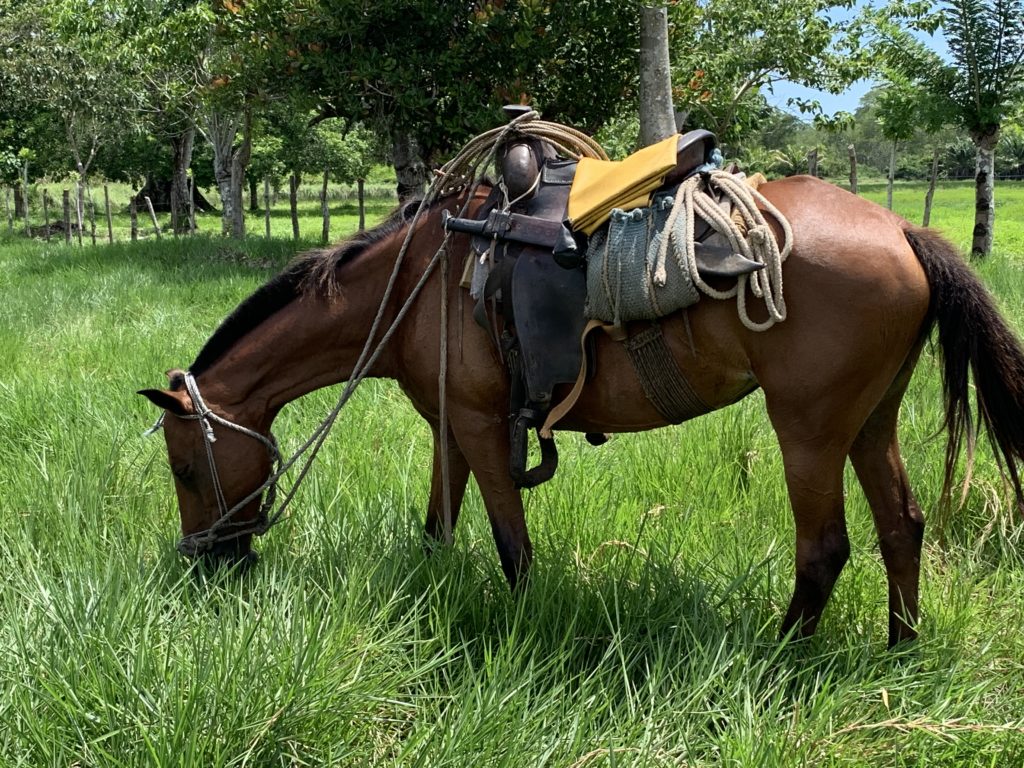
At 7 a.m. all working materials are packed and the horses are saddled. Vaqueros switch between different horses every few days. The work exhausts the animal, so they get time to recover.
“A vaquero only is as good as his horse” assured Andres. His favorite one is called “Chilindrina”, a beautiful brown quarter horse mare. Tragically she has only one eye left after an accident with a horned cow. However, Andres has been working with her for years and has a strong bond with her.
Grass-fed cattle
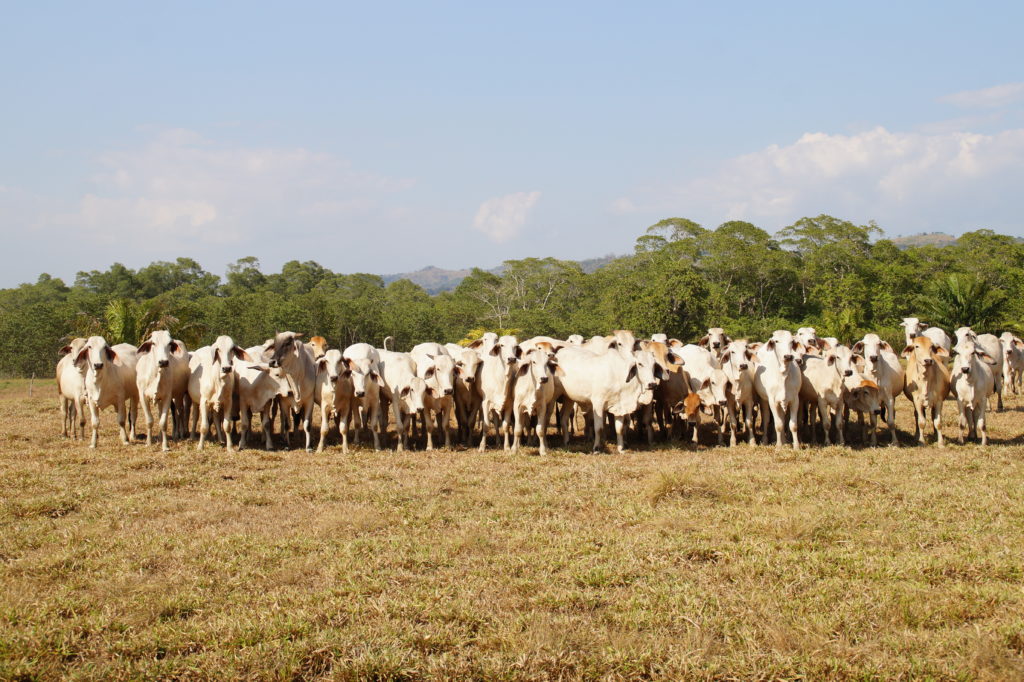
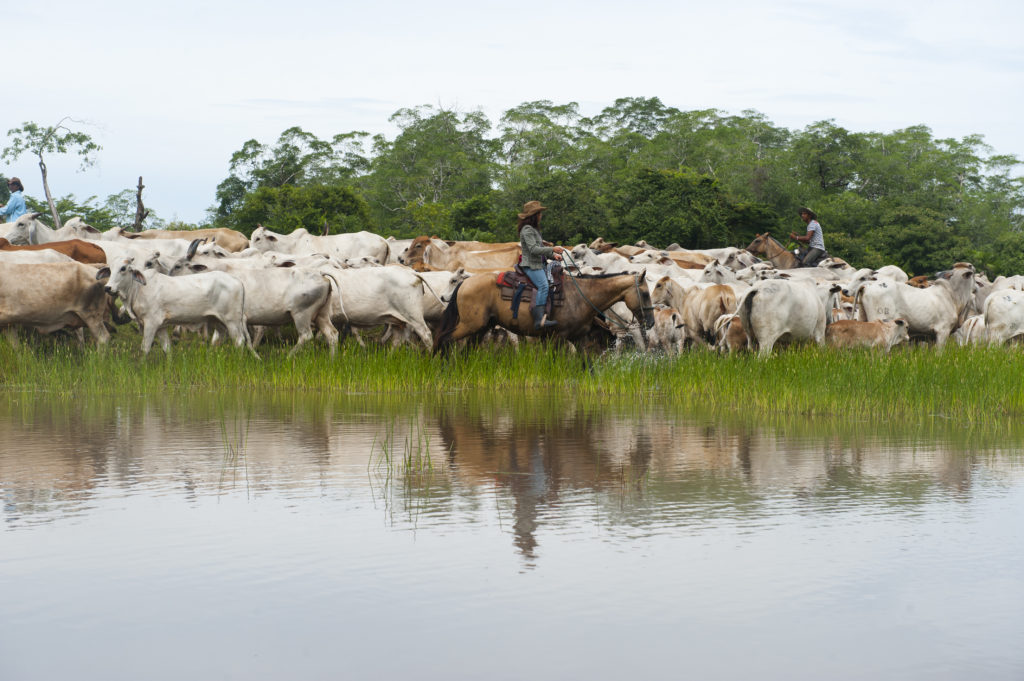
The cattle roam through the many pastures year-around to forage and graze for all the food they need. Vaqueros move the herds regularly to ensure a sufficient supply of grass. Which pastures are best, also depends on the time of the year. During the rain season, some areas of the farm are underwater and can not be used. In the summer it gets very hot and dry. When moving the herds, the water level in the wells must always be considered.
Health Care
Andres responsibility as a Vaquero is taking care of the well-being of the cattle. He must check every animal once a day. According to him, it is rare that one of the cows gets really sick. Common issues are minor injuries or inflammations.
Sick, injured or pregnant individuals must be separated from the group. That definitely is not an easy task. Cattle are herd animals and run at the slightest threat back to the group. A nimble and responsive horse proves indeed as very helpful.
Every three months, the animals are treated to prevent parasites and get vitamins. On this occasion, calves are also vaccinated. Because bulls are sold at a young age for further breeding, no castrations are performed.
Nowadays many farmers use hormones or steroids to increase the reproduction rate or meat growth. Raches like this one, highly value natural and organic breading.
Miracle of life
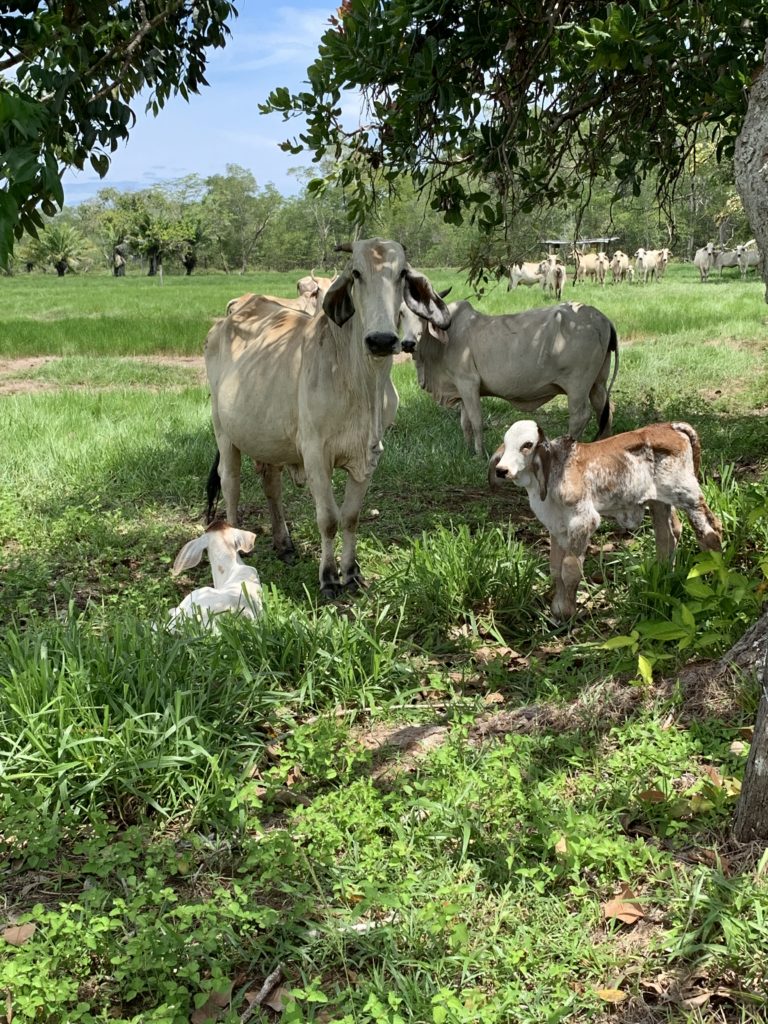
It is a fortune, that Vaqueros experience the miracle of life on a daily basis. Pregnant cattle stay during calving in the stable to be protected from predators like coyotes. Usually, they give birth on their own without any support. Further assistance is only needed in case one has trouble. A common reason would be the incorrect positioning of the newborn. If this happens, vaqueros need the medical expertise to save the cow and her child. Veterinarians are often miles away and would not make it in time. Luckily, there usually is a happy ending.
Most calves stand up and start nursing within the first hour following birth. The cow and her newborn remain in the stable for another day until they return to their group.
Eating a “monkey”
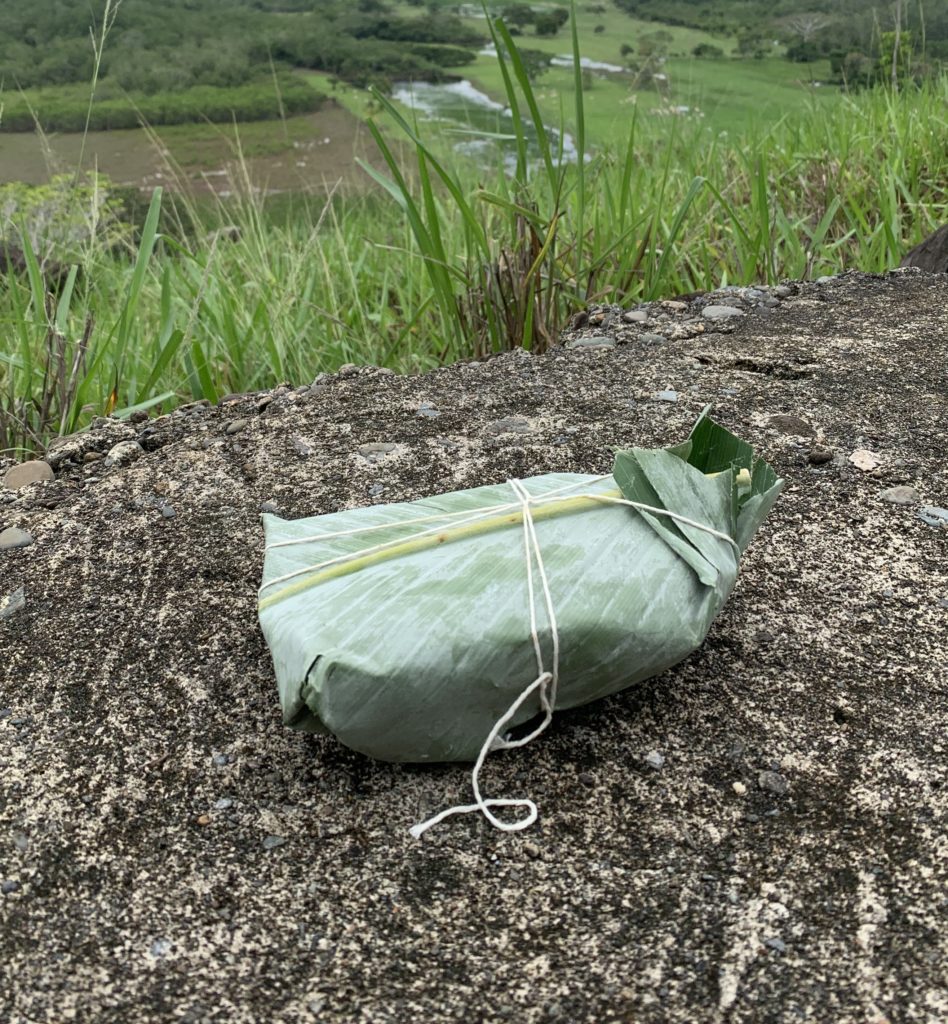
Midday, the sun gets really strong now. You feel a light burn on the skin while standing in direct sunlight. It is about time to seek protection in the shade of the trees and enjoy lunch. Juan prepared “Monos” which means “monkeys” in English. In the morning he wrapped up rice, beans, and meat in palm leaves. This is the real deal if it comes to eco-friendly alternatives to wrap your meal for takeaway.
The name of the dish comes originally from the habit of farmworkers handing the food packages into trees until lunchtime. Good thing is, over time the “mono” just gets better as the rice and sauce combine and taste even more delicious.

Traditional Siesta
For the remaining lunch break, everyone stays in the shade and appreciates the chance to take a nap. The tradition of a siesta seems indispensable in tropical countries like Panama. Somehow you have to survive the hottest time of the day right?
Maintenance
Repairing fences is also a time-consuming part of the work routine. Old wooden posts and obsolete wires do not last long due to heavy weather during the rainy season.
Additionally, courageous cows/bulls tear down the fence, break out and run away. If you are lucky, near living residents give a call when they encounter the escaped individuals or group. In this case, a branding sign helps to identify the owner of animals easily. This actually happens here more often than one would expect.
Getting together
Regular workdays end at 4 p.m. with showering the horses and releasing them to the pastures. Evening meals are social gatherings, taking place in the rancho.
Daily efforts are rewarded with a belly full of food, another siesta in the hammock as well as tales (and youtube videos) around the fireplace. Most of them own a cell phone to call their families at the end of the day.
A different way of life
An outsider recognizes the totally tranquil vibes. Andres and his colleagues exude serenity and happiness. Life here is connected with nature. You depend on the sun, the moon and the tides. Like getting up at dawn and go to bed at dusk. In this restless wilderness, you almost forget about the cities that run like clockwork.
Preferring the tranquility and simplicity of life in the wilderness to the comfort of civilization – farm life might be tempting. According to Andres statement, he loves spending the weekends in the village with his family but he is also happy to return back to the farm on Monday.
Now, can you imagine being a Vaquero in the wilds of Panama?
Shoutout
We should all be thankful for people like Andres. He dedicates his life to provide for people like you and me quality beef. Buying your products local supports the farmers in your area and dedicated cattleman like Andres.